Child Sex Abuse

Get Help

PA Childline: 800-932-0313

SAFE2SAY: 1-844-SAF2SAY (732-2729)

Childhelp: 1-800-422-4453

Every 9 Minutes on average in a year,
a U.S. child welfare investigator officially determines that a child has been sexually abused.1


What is Child Sexual Abuse?

Child sexual abuse takes many forms.  Some involve touch.  Others do not.  Some forms of abuse include:

  • Exposing one’s sexual body parts to a child
  • Sexual conversations with a child
  • Sending sexual emails, videos, or texts to (i.e., “sexting”) a child
  • Touching a child in a sexual manner – on any part of their body
  • Oral, vaginal, or anal sex with a minor under the age of 16
  • Making, owning, or sharing images or videos of children that are sexually suggestive or explicit
  • Forcing a child to engage in any kind of sexual behavior
  • Leaving a child alone with someone who has a history of sexually abusing others
  • Helping someone else arrange to sexually abuse a child (trafficking)


Sexual abuse can happen one time or many times over a period of years.  Often, children and teens are too afraid to tell.  


This behavior is not normal, although abusers may try to tell the child it is. This is a manipulative tactic to keep the child or teen quiet. 

Sexual Abusers

Warning children about “stranger danger” isn’t enough.  Over 90% of the time, children are abused by someone they know.


An abuser may be …

  • Male, female, or nonbinary

  • An adult, a teen, or a child

  • A relative

  • Someone close to the family, such as a family friend or parent’s significant other

  • A person in authority, such as a teacher, coach, religious leader, or mentor  


While some sexual abusers may only be sexually attracted to children, most are not. Many adult sexual abusers are married or involved in sexual relationships with other adults. 
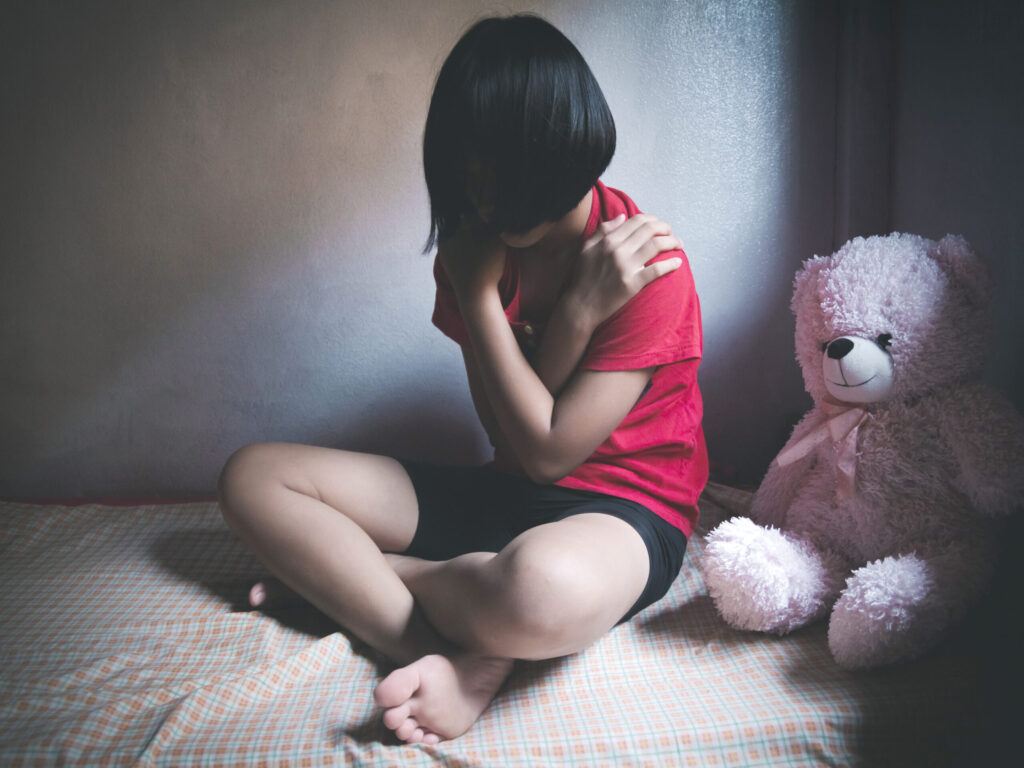
Physical Signs and Symptoms

Learn more about the physical signs and symptoms of Child Sexual Abuse.


Learn More

Behavioral Signs of Sexual Abuse

Children can be affected by sexual abuse in many ways. The following are not proof of abuse.  They are signs that something is wrong.  They should not be ignored.


Learn More

Suspicious Behaviors

Most abusers take steps to keep sexual abuse a secret.  But, some concerning behaviors may be noticeable. The following behaviors do not prove abuse.  But, they are concerning and should be addressed.


Learn More

How Common is Child Sexual Abuse?

Because of the secrecy and stigma that often surround sexual abuse, it is difficult to determine how common child sexual abuse is.  One nationally representative survey of 17-year-olds[2] found that:
1 in 4 of girls and 1 in 20 of boys have experienced sexual abuse. 1 in 9 of the girls and 1 in 50 boys reported abuse by an adult. What we can be sure of is: The sexual abuse of one child is too many!

Why are Children with Disabilities Especially Vulnerable?
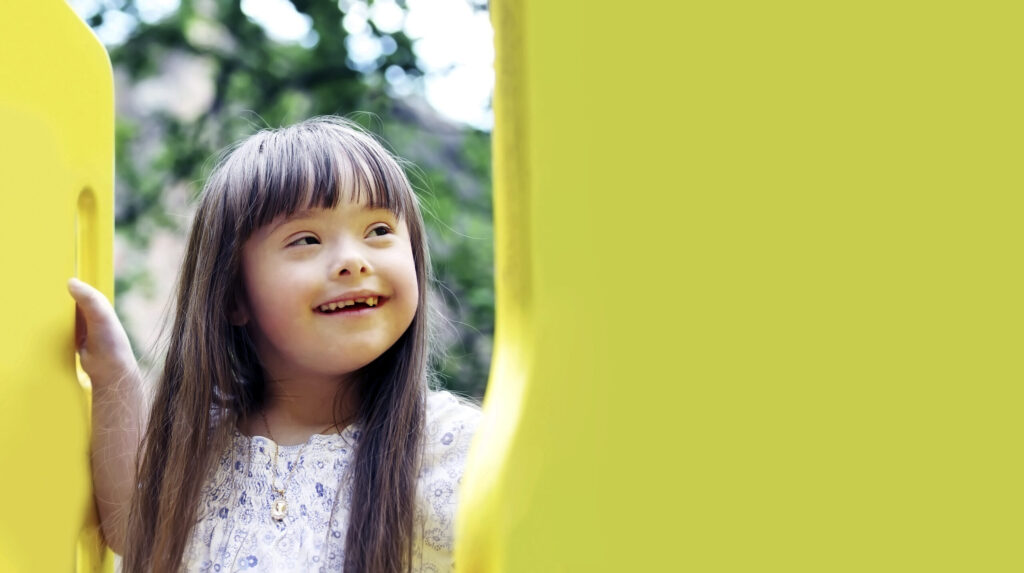
Children with disabilities are at increased risk for child sexual abuse.3 Sometimes, the nature of their disability makes them more vulnerable. Some examples:
  • An abuser may pretend (and tell the child) that sexual touching is just them helping with personal care (e.g., bathing, grooming, toileting).

  • An abuser can limit a child’s ability to escape abuse by taking away mobility aids (e.g., crutches, wheelchairs) or threatening to strand them somewhere.

  • A child with communication difficulties may not have the vocabulary or communication skills to disclose abuse in a way that convinces others.

  • A child’s credibility may be questioned because of an intellectual disability or emotional disturbance.

  • Bias against persons with disability and stereotypes about sexual abuse may cause some people to dismiss the idea of a particular child being sexually abused by a particular person (e.g., He’s a good-looking guy. Why would he want to have sex with someone like that?)

1 U.S. Department of Health & Human Services, Administration for Children and Families, Administration on Children, Youth and Families, Children’s Bureau. (2020). Child maltreatment 2018. Available from https://www.acf.hhs.gov/cb/research-data-technology /statistics-research/child-maltreatment

2 Finkelhor, D., Shattuck, A., Turner, H. A., & Hamby, S. L. (2014). The lifetime prevalence of child sexual abuse and sexual assault assessed in late adolescence. Journal of Adolescent Health, 55(3), 329–333. doi:10.1016/j.jadohealth.2013.12.026

3 Smith, N. & Harrell, S. (2013). Sexual abuse of children with disabilities: A national snapshot. Washington, DC: VERA Institute of Justice Center on Victimization and Safety; 2013.  Retrieved September 30, 2020, from http://www.ncdsv.org/images/Vera_Sexual-abuse-of-children-with-disabilities-national-snapshot_3-2013.pdf


Get Involved

Find opportunities where you can help make a difference in a child’s life. 

Suspicious Behaviors

Most abusers take steps to keep sexual abuse a secret.  But, some concerning behaviors may be noticeable.


The following behaviors do not prove abuse.  But, they are concerning and should be addressed.


An adult or older child …

  • Has poor interpersonal boundaries, especially with children
  • Shows little respect for others’ privacy, such as often walking in others getting dressed or using bathroom
  • Walks around with few or no clothes on, ignoring others’ discomfort 
  •  
  • Insists on hugging, touching, kissing, tickling, wrestling with, or holding a child even when the child clearly does not want this
  • Insists on time alone with a child with no interruptions
  • Spends most of their time with children and has little interest in spending time with someone their own age
  • Often offers to babysit many different children for free; takes children on overnight outings alone
  • Buys children expensive gifts or gives them money for no apparent reason
  • Encourages children to keep secrets about rule-breaking or misbehavior
  • Talks about own sex life or sex generally when around children or teens
  • Makes repeated comments about a child’s or teen’s body or sexual development 
  • Asks child to pose for look at suggestive pictures, comics, articles, or videos
  • Minimizes or encourages child’s inappropriate touching or sexualized behavior
  • Shows children sexually explicit material or encourages them to access it
  • Asks a child or teen for details about their sexual interests or experiences

Behavioral Signs of Sexual Abuse

Children can be affected by sexual abuse in many ways.

Of course, other problems, such as family conflict, bullying, separations, racism, and other upsetting experiences can also cause changes in behavior.  

The following are not proof of abuse.  They are signs that something is wrong.  They should not be ignored.


Sexual Signs 

  • Sexual talk, drawing, or behavior that is unusual for their age and stage of development.
  • Advanced or unusual knowledge about sex.
  • Masturbating with objects or in a way that causes physical harm.
  • Sexual behavior that creates problems at home, at school, or in the community.
  •  
  • Compulsive or problematic use of explicit media.
  • High-risk sexual behavior in teens


Other Signs

  • Abrupt change in behavior.
  • Acting younger than age.
  • Unusual anger, sadness, or social withdrawal.
  • Difficulty paying attention or frequent “zoning out.”
  • Dramatic change in grades or school attendance. 
  • Anxiety or panic attacks.
  • Passive or overly pleasing behavior.
    • Describing themselves as bad, nasty, dirty, damaged, etc. 
  • Changes in eating or weight.
  • Sleep problems. 
  • Nightmares.
  • Wearing many layers of clothing.
  • Excessive bathing or poor hygiene.
  • Fear of bathroom or other places.
  • Fear of a certain person
  • Avoids or seems uncomfortable being touched.
  • Tantrums or violent behavior.
  • Eating disorders.
  • Self-injury.
  • Suicidal thoughts.

Physical Signs & Symptoms

  • Pregnancy or a sexually-transmitted infection (STI) not transmitted at birth of a child who cannot legally consent to sex is proof of sexual abuse.
  • Bleeding, bruises, or swelling in genital or anal area strongly suggest sexual abuse.  But they could be caused by other things (e.g., accident, illness, self-injury).
  • Bloody, torn, or stained underwear might be signs of sexual abuse.  (There could be other explanations.)
  • Frequent urinary or vaginal infections could be caused by sexual abuse.
  •  
  • Pain, itching, or burning in the genital or anal area could be symptoms.  These might cause difficulty walking or sitting.
  • Bed-wetting or accidents in a child who has been potty-trained.  
  • Unexplained physical complaints, such as headaches and stomach aches, 


Many people think that there is always physical evidence of sexual abuse.  (It sure seems that way on TV!)   But, physical evidence of abuse is NOT common.


Some reasons for this:

  • The sexual abuse might not involve touch.
  • Sexual touch does not always cause bruising or tearing, even in young children.  
  • Scratches and minor tearing can heal in a few days.
  • Some types of evidence may be washed away or destroyed before a child is examined by a medical professional trained to collect it. 

About Alice Hasbrouck

Alice is co-leader of NOP support group. She has worked with FSL in this role since she was a doctoral level intern in 2005. Alice’s undergraduate degree is in human development, and early childhood education and she works as a school psychologist for Early Intervention.